5s
+1
Submission successful!

October 7, 2026

As excavator technology continues to evolve, manufacturers are placing greater emphasis not only on machine power, but also on hydraulic performance, productivity, maintenance intervals and total cost of ownership (TCO).
Several new excavator models introduced in 2026 illustrate this direction. Rather than simply increasing engine horsepower, manufacturers are combining improvements in hydraulic flow, digging performance, service intervals and machine uptime to help customers achieve more work over the entire operating life of the machine.
A clear example comes from Volvo Construction Equipment's new-generation compact excavators.
In January 2026, Volvo CE launched the ECR90, EC65 and EW65, replacing the previous-generation ECR88, EC60 and EW60 models. Volvo specifically highlighted higher engine power, increased hydraulic flow, improved digging and lifting performance, and longer service intervals as part of the new-generation design.
The changes are particularly noticeable in the hydraulic system.
Compared with the previous ECR88, the new ECR90 has 15% more pump torque, while its bucket force increased by 13% and arm digging force by 11%. Its maximum main pump flow is listed at 190 L/min.
The EC65 and EW65 also receive substantial hydraulic upgrades. Volvo states that auxiliary hydraulic flow is 100% higher on these two models, while the ECR90 receives a 15% increase. The higher hydraulic flow is intended to provide greater power and precision for attachments and a wider range of applications.
These changes demonstrate an important point: improving excavator performance is not simply about installing a more powerful engine. The hydraulic system must also be capable of converting available power into useful digging, lifting, swinging and attachment performance.
Another important development is the increasing focus on total cost of ownership.
For equipment owners, the purchase price is only one part of the cost of operating an excavator. Fuel consumption, maintenance, replacement parts, downtime and machine productivity can all affect the overall economics of a machine.
Volvo CE explicitly positioned the ECR90, EC65 and EW65 around total cost of ownership, productivity and uptime.
The machines feature longer service intervals for certain maintenance tasks. For example, Volvo states that DPF cleaning is scheduled at 8,000 hours and hydraulic return filter replacement at 1,500 hours for these models. The machines also provide easier access to grouped service points, which can reduce the time required for routine maintenance.
This approach reflects a broader change in how excavator performance is evaluated.
A machine that produces high hydraulic output but requires frequent maintenance or spends significant time out of service may not necessarily provide the best economic result.
Instead, manufacturers are increasingly looking at the combination of:
Hydraulic performance + productivity + fuel efficiency + maintenance + uptime
as part of the machine's overall value.
The same development can also be seen in larger excavators.
At CONEXPO-CON/AGG 2026, Volvo CE introduced the new 56-ton EC560 crawler excavator. The machine is designed for heavy infrastructure, quarrying, aggregates and other demanding applications.
Volvo described the EC560 as a machine designed to combine the size and strength required for high-production work with improved fuel efficiency, comfort and performance. The model is scheduled for commercial availability in early 2027.
This shows that the focus on efficiency and operating economics is not limited to compact excavators.
For larger machines working long hours in quarries, mines and major construction projects, even relatively small improvements in productivity, fuel consumption and downtime can have a significant effect on operating costs over the machine's service life.
The increasing focus on hydraulic performance also highlights the importance of core hydraulic components.
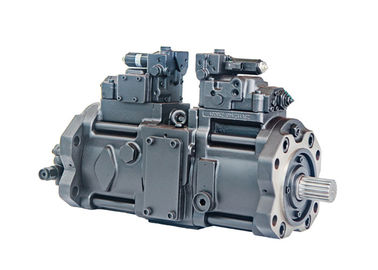
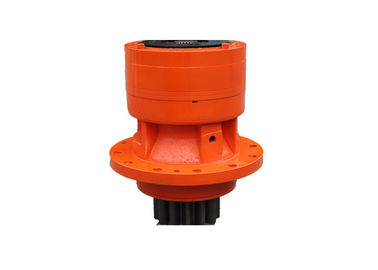
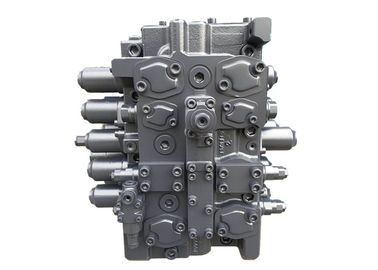
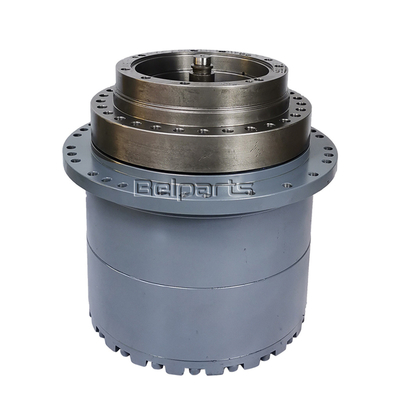
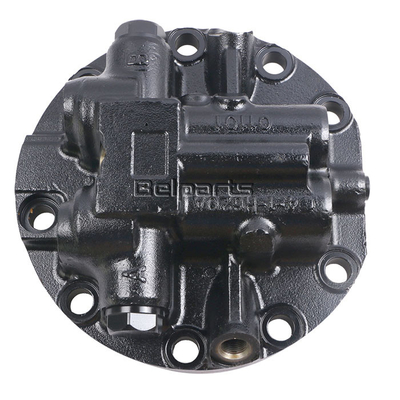
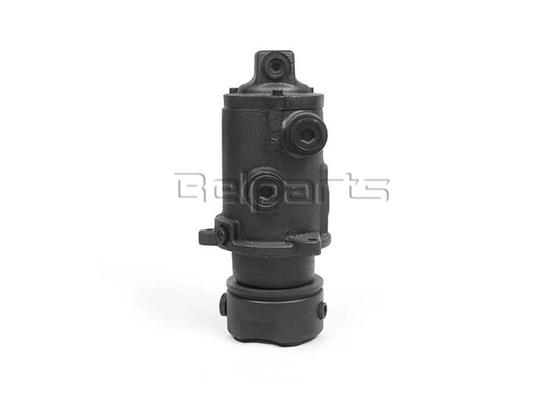
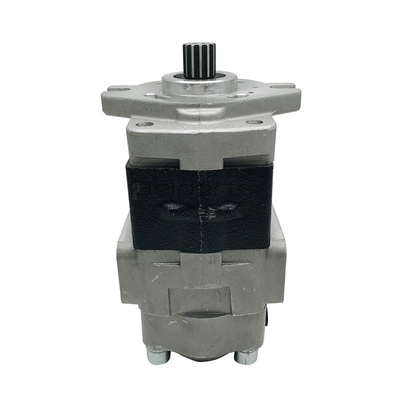
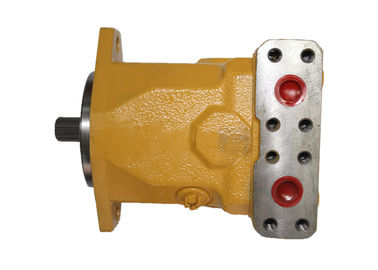
The hydraulic pump, main control valve, hydraulic motors and related components determine how efficiently engine power is converted into machine movement.
Higher hydraulic flow alone does not automatically mean better performance. The entire hydraulic system must work together, including pump control, pressure management, flow distribution and cooling.
This also makes hydraulic system reliability increasingly important.
A hydraulic pump that loses efficiency, develops internal leakage or operates with excessive heat can directly affect machine productivity. For equipment owners, premature hydraulic component failure can also increase maintenance costs and unplanned downtime.
As new excavators become more productive, maintaining the condition of their hydraulic systems will remain an important part of controlling long-term operating costs.
The development of new excavators in 2026 suggests that customers are increasingly looking beyond basic specifications such as engine horsepower and operating weight.
When comparing machines, owners may also need to consider:
The most productive excavator is not necessarily the machine with the highest horsepower. In many applications, the better choice may be the machine that can deliver consistent hydraulic performance while keeping fuel, maintenance and downtime under control.
The new models introduced in 2026 provide examples of how excavator manufacturers are approaching the next generation of equipment.
The emphasis is shifting from simply increasing machine size or engine power toward a more balanced combination of hydraulic performance, productivity, reliability, maintenance efficiency and total cost of ownership.
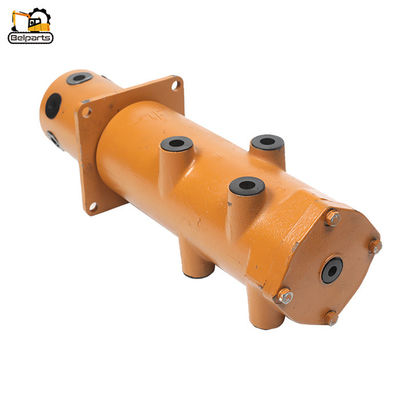
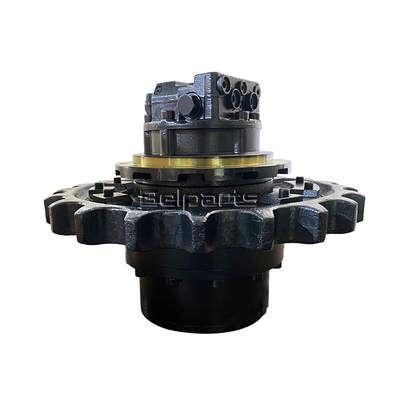
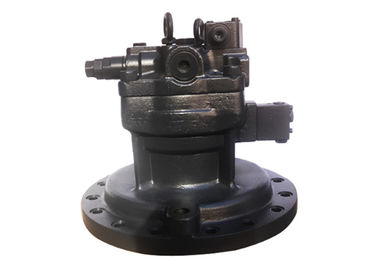
For the aftermarket industry, this development is also significant. As excavators become more sophisticated and productive, the reliability of core components such as hydraulic pumps, valves, travel motors and swing systems becomes increasingly important.
Ultimately, the value of a modern excavator is not determined only by what it can do on the day it is purchased. Its long-term value depends on how efficiently it can work, how reliably it can operate and how much it costs to keep productive throughout its service life.